

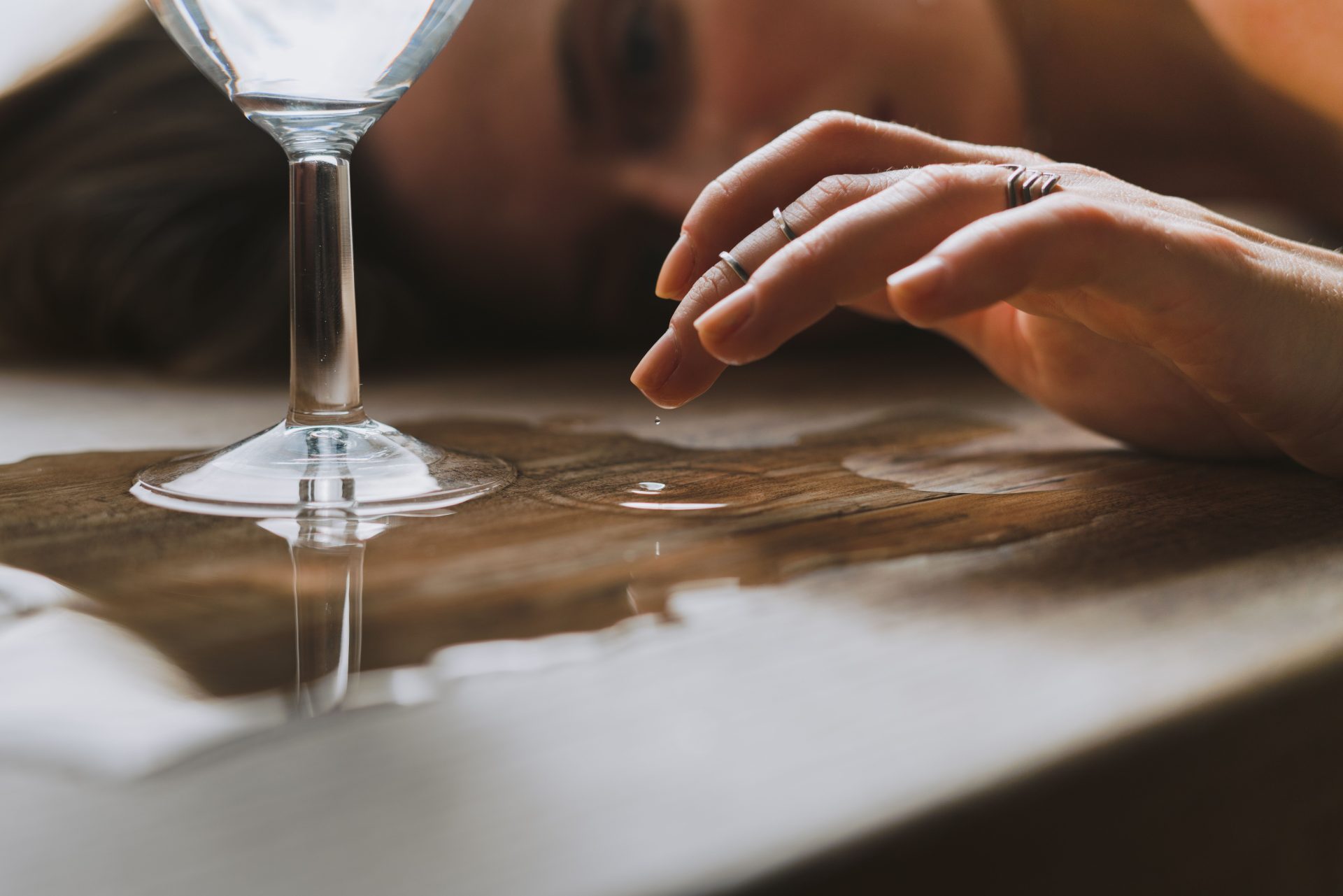
September is National Recovery Month. Founded in 1989 by the Substance Abuse and Mental Health Services Administration (SAMHSA) to bring awareness that prevention works, treatment is effective, and recovery is possible. Part of awareness is understanding how addictive certain things are and what we can do about this worldwide crisis.
Yes, I understand that the new term is “disorder”; however, I like to call it what it is. In my opinion, color-coating a deadly illness does not serve a higher purpose.
About 400 million (diagnosed) people suffer from alcoholism worldwide;[1] 64 million suffer from drug addiction;[2] about 33 million suffer from addiction to legal prescription mood-altering medication in the U.S. alone.[3] Based on the current global population of roughly 8.25 billion people, researchers estimate that approximately 1.4 billion people worldwide suffer from food addiction.[4] About 1.84 billion people are addicted to nicotine.[5] Most of these addictions account for the major causes of heart disease, cancer, stroke, and many other fatal illnesses. This does not include the list of almost endless addictions: sex, tech, spending, sugar, etc.
The only solution here is to be aware and educate (especially our youth) about how addictive certain substances are. If you never start, you never have to struggle with stopping.
I was genetically and environmentally exposed to addiction at an early age. Alcoholism ran in my family, and I was raised with drinkers and smokers; no one explained any of the dangers. It was a permissive environment, and it was to my detriment. They didn’t know then what we know now. It took years and the proper help to stop both. I am blessed for those tools.
However, now that we do know, let us be more mindful that addiction is a deadly disease – emotionally and physically. It hijacks our brains, and once that happens, the ransom seems high. It’s not really, but it seems that way because our mind is no longer our own.
It’s time to face the facts. Every addiction is a substitute for love. Once we learn to gather those wonderful feelings that addiction provides with actual lasting mood-enhancing behaviors, we will be as free as a bird to soar out of the addiction prison.
We can start by teaching our children about addictive things and how dangerous they are. Also, we can teach them how important their little bodies and minds are, and that they don’t need fake feelings. They are valuable, precious human beings and deserve to remain that way.
4.British Medical Association. (1988–present). BMJ: British Medical Journal. BMJ Publishing Group.
JOIN OUR MOVEMENT TO SAVE MILLIONS OF LIVES FROM ADDICTION.

Donna Marks is an educator, licensed psychotherapist, and addictions counselor in Palm Beach, Florida. She has worked with over 6,000 clients. Donna’s struggle with addiction brought her to a worldwide search for healing. She became licensed as a Mental Health Counselor in 1987. In 1989, she earned a Doctorate Degree in Adult Education, then became Certified in Addictions, Gestalt Therapy, Psychoanalysis, Hypnosis, and Sex Therapy. Donna developed an award-winning addiction training program at Palm Beach Community College. She co-owns an outpatient treatment program and serves as a consultant to treatment centers. For 36 years, she has taught A Course in Miracles.
Donna is the author of three books: the multi-award-winning title Exit the Maze: One Addiction, One Cause, One Cure, and Learn, Grow, Forgive: A Path to Spiritual Success, The Healing Moment: Seven Paths to Turn Messes into Miracles of Love, and her latest fiction, Fortis & Sapiente – A Tale of Two Lovers Who Successfully Navigate the Murky Waters of Love. Donna is a public speaker and has shared her methods with millions of listeners on podcasts and radio shows.
Sign up for the mailing list
You will receive the latest articles, meditation tracks, inspirational content and much more


